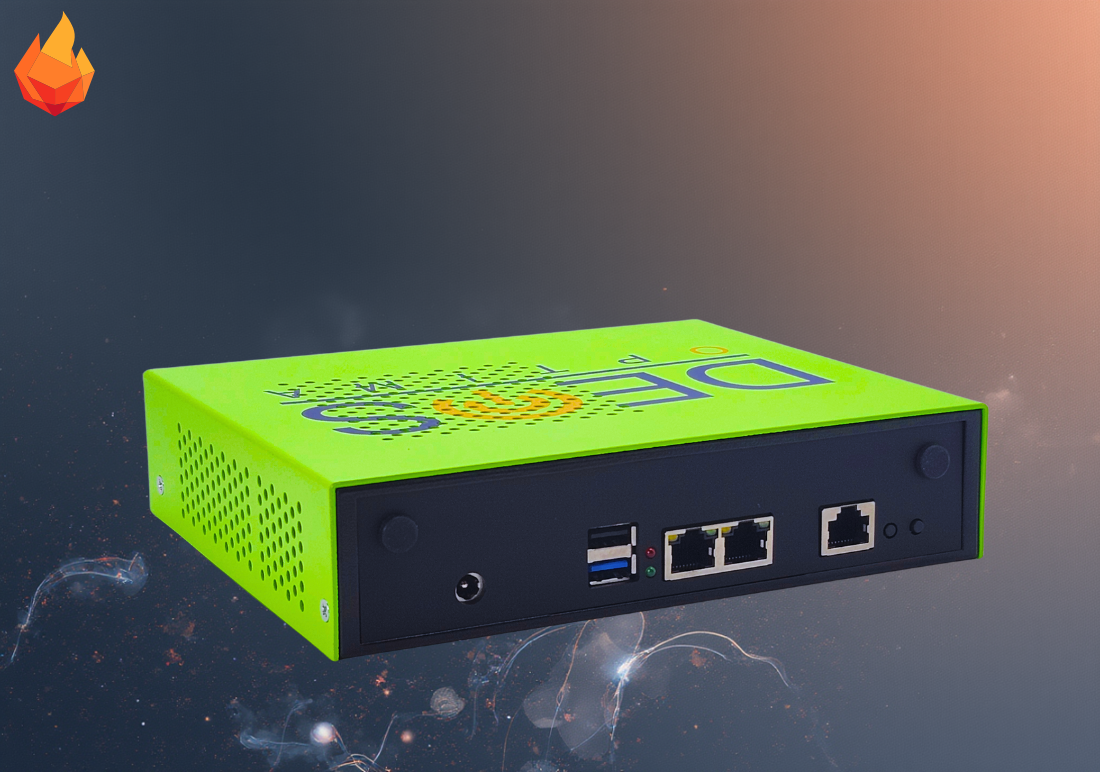
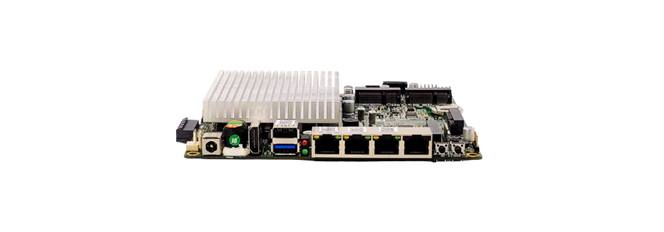
We’re pleased to introduce the Boingfire BFN5 System Board, built for modern edge deployments where wireless-side connectivity is a priority. If your project requires integrated expansion for 4G/5G and Wi-Fi whether for primary connectivity, WAN failover, or remote-site access, BFN5 is the stronger choice compared to BFN4.
BFN5 is designed for solution providers and builders creating wireless-enabled CPE, remote gateways, and edge appliances that must stay connected even when wired links are limited or unavailable.
Why BFN5 stands out for wireless deployments
Many edge projects today are defined by connectivity requirements more than compute requirements. BFN5 is optimized to support deployments such as:
SD-WAN/CPE with LTE/5G failover
Remote branch connectivity where cellular is required
Temporary sites and mobile deployments
Industrial/field gateways needing resilient wireless backhaul
Wi-Fi-enabled edge appliances for localized access or onboarding
When your project depends on wireless modules, antenna routing, SIM-based provisioning, and consistent repeatable builds, BFN5 is built to align with that reality.
Key difference customers should know: Ethernet layout
To keep the platform focused on wireless expansion and connectivity use cases, BFN5 uses 3 Ethernet ports, while BFN4 provides more Ethernet ports for segmentation-heavy designs.
A simple way to choose:
Choose BFN5 if your priority is 4G/5G + Wi-Fi connectivity as a core project requirement and you want a platform oriented around wireless-enabled deployments.
Choose BFN4 if your priority is more wired Ethernet ports for multi-zone segmentation (WAN/LAN/DMZ/OPT style builds).
Best-fit projects for BFN5
BFN5 is an ideal foundation for:
Wireless-first SD-WAN/CPE deployments
MSP rollouts that need standardized hardware with cellular options
Remote monitoring and gateway appliances
Branch security + cellular backup connectivity
Field deployments where a wired WAN is not guaranteed